Explore a world of possibilities.

Lake Balaton

Lake Balaton

Hungary has no marine coastline, but it does have the largest freshwater body in Central Europe, Lake Balaton. The lake has been popular since the Magyar tribes first galloped into the Carpathian Basin in 896, and it shows no signs of losing its appeal. A collection of resort towns and an interesting bicycle route ring the 77 km long lake. Hévíz-Balaton Airport is 20 km from Keszthely at the southern end of the lake. From there, you can hire a car or take a bus and explore some of the resorts.
Read more
Autumn and winter colours
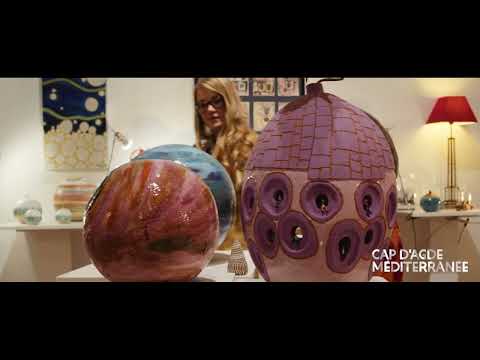
Le Cap d'Agde Méditerranée, France

Autumn and winter colours

Discover the destination with all the gorgeous colours of autumn, it is also a place worth discovering.
Read more
Lanzarote

Lanzarote

Lanzarote has it all: sunny skies, pristine beaches and crystal-clear waters. But its natural wonders go beyond the obvious. With over 300 volcanic peaks, the island boasts a lunar landscape with shades of pink, purple and ochre. Hidden beneath the surface lie caves, tunnels and lakes, begging to be explored. Surf enthusiasts will find a paradise here, with perfect waves throughout the year. Rumour has it that Lanzarote was once part of the lost city of Atlantis. Come discover this unique gem of Spain's Canary Islands.
Read more
Ghent

Ghent

Ghent is a compact, authentic city where the past and present co-exist in perfect balance. Walking through the city is like travelling through time: you turn the corner and just like that, you go from the fourteenth century to the twenty-first. In Ghent pounds the young heart of a cultural city filled with music, theatre, film and visual arts. Because of its central location in Flanders, Ghent is an ideal operating base to visit the Flemish Art Cities. Ghent is ready to welcome you with open arms!
Read more
Five Days in Dubai
Dubai, United Arab Emirates

Five Days in Dubai

The sun always shines in Dubai, ensuring endless fun on every holiday. Spend your days lounging at the beach, dining at celebrated restaurants, shopping at al fresco districts and immersing yourself in the city’s cultural best. Our itinerary presents thrills for all ages and settings that inspire.
Read more
Roatán

Roatán

The island of Roatán attracts many visitors for its breathtaking natural beauty. It's is part of a group of islands called the Bay Islands, which are known for their excellent diving and snorkelling locations, with clear waters and diverse sea life. Roatán is also famous for its lush tropical forests and rich culture, which is a mix of various influences including Afro-Caribbean, Spanish, and indigenous cultures. Overall, Roatán offers a unique blend of relaxation, adventure and culture.
Read more
Three Days in Dubai
Dubai, United Arab Emirates

Three Days in Dubai

Whether you’re new to Dubai or a seasoned expert, our city always has surprises in store. Explore sky-high landmarks, charming waterside spots and cultural gems aplenty. Or go off the beaten track to hike in Hatta’s mountains, camp under the stars and create memories to last a lifetime.
Read more
Prinsentuin
Groningen, Netherlands

Prinsentuin

With a history dating back to the 17th century, the Prince's garden is a historic landmark that today unfolds as a tranquil oasis with its manicured garden and inviting foliage corridors. Against the scenic backdrop of the Martinitoren, visitors can enjoy leisurely strolls and lounge in the garden's tea room. Every summer, poets gather here to present their work at the dedicated festival, which makes for a fitting complement to the splendour of the place.
Read more
Red Crab Migration
Christmas Island, Australia

Red Crab Migration

Tens of millions of red land crabs live on Christmas Island. They are the Island's keystone species, because they play a vital role recycling nutrients and shaping and maintaining the structure of the rainforest. At the beginning of the wet season (usually in October/November), most adult Red Crabs suddenly begin their spectacular migration from the forest to the coast, to breed and release eggs into the sea. Breeding is usually synchronised island wide. The rains provide moist overcast conditions for crabs to make their long and difficult journey to the sea. The timing of the migration breeding sequence is also linked to the phases of the moon, so that eggs may be released by the female Red Crabs into the sea precisely at the turn of the high tide during the last quarter of the moon. It is thought that this occurs at this time because there is the least difference between high and low tides. The sea level at the base of the cliffs and on the beaches, where the females release their eggs, at this time varies the least for a longer period, and it is therefore safer for the females approaching the water's edge to release their eggs. Sometimes there are earlier and later migrations of smaller numbers of crabs, but all migrations retain this same lunar rhythm. The main migration commences on the plateau and can last up to 18 days. Masses of crabs gather into broad "streams" as they move toward the coast, climbing down high inland cliff faces, and over or around all obstacles in their way, following routes used year after year for both downward and return migrations. Movement peaks in the early morning and late afternoons when it is cooler and there is more shade. If caught in open areas, in unshaded heat, the crabs soon lose vital body moisture and die. The crabs will migrate to the coast, where the males will dig mating burrows and they will mate. After mating, the males will commence their return migration. The females will brood their eggs for 12-13 days before emerging from the burrows to commence spawning. The females will commence their return migration immediately after spawning. The eggs hatch into free swimming larvae immediately after they are dropped into the sea. The larvae grow through several stages in the ocean for over four weeks before emerging from the sea to become tiny crabs.
Read more
Ghent Belfry, world heritage
Ghent, Belgium

Ghent Belfry, world heritage

Look up at the magical city skyline for a moment during your weekend trip in Ghent: you can’t miss it. The Belfry is the middle tower in the famous row of three, between St Bavo’s Cathedral and St Nicholas’ Church. A fiery dragon, the proud symbol and mascot of Ghent, guards the historic heart of the city. The Ghent Belfry symbolises the city’s prosperity and independence. The Cloth Hall, built onto the Belfry, was completed in 1907. The flamboyant Brabant Gothic style of the Cloth Hall is an ode to the industry to which Ghent owes so much. On the corner of the Cloth Hall is an old jailer’s house. The Ghent Belfry, a recognised UNESCO World Heritage, is well worth a visit. In 1402, it was the place where city privileges were kept: in a chest, locked up in the Belfry safe. The dragon, which has been up on the tower since 1377, kept an eye on the city as well as being the symbolic guardian of the belfry. The Belfry also proudly carried the alarm bell, the ‘Great Triumphant’. Today you will find this bell, nicknamed ‘Roland’ by the people of Ghent, not far from the Belfort on Emile Braunplein. Until 1442, St Nicholas’ Church was the main watchtower. In 1442, the watchmen in the tower moved across to the newly completed Belfry. Along with the bell ringers, these watchmen, or the corps of ‘men who guard the city’, served until 1869. Fire was a particular danger in Ghent. The Belfry tower is an absolute must-see! Climb the stairs, listen to the chiming sound of the carillon and enjoy the view of the vibrant city of Ghent. There is a lift from the first floor. The stunning view over Ghent is bound to enchant you. However, the Belfry is not accessible to visitors with reduced mobility. The Mammelokker, a legend behind bars In 1741, a building was erected between the Belfry and the Cloth Hall, which served as the entrance to the city jail. You will see a relief sculpture above the entrance. The sculpture tells an old Roman legend of a man, Cimon, who was sentenced to death by starvation. He survived his sentence because his daughter visited every day and breastfed him. ‘Mamme’ means ‘breast’ and ‘lokken’ means ‘suck’ in an old Ghent dialect.
Read more
International Wooden Shoe Museum Eelde
Groningen, Netherlands

International Wooden Shoe Museum Eelde

The International Wooden Shoe Museum in Eelde showcases an unrivalled collection of over 3,000 pairs of clogs and wooden-soled footwear from more than 45 countries, making it the world's most comprehensive exhibit of its kind. The museum, born from the passion of the last clog makers in Eelde and enhanced by significant private collections, also displays a vast array of clog-making tools and machinery. The museum does not open throughout the entire year, so it’s essential to check their website regularly for their schedules.
Read more