Explore a world of possibilities.

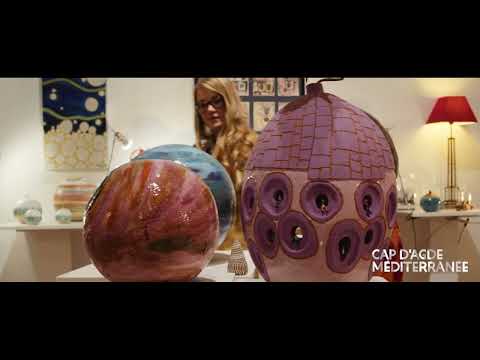
Autumn and winter colours
Le Cap d'Agde Méditerranée, France

Autumn and winter colours

Discover the destination with all the gorgeous colours of autumn, it is also a place worth discovering.
Read more
Cartagena

Cartagena

Cartagena de Indias reigns as the crown jewel of Colombia’s Caribbean coast — not for checklist attractions, but for its sheer atmospheric magic. Within its 16th-century stone walls (built to repel pirates like Sir Francis Drake), the city unfurls as a living postcard: pastel-hued colonial buildings, salsa rhythms spilling onto cobbled streets, and horse-drawn carriages clattering past vibrant plazas. By day, the scent of fried plantains and coconut rice fills the air; by night, rooftop bars hum with rum cocktails and sea breezes.
Read more
Cape Verde

Cape Verde

Cape Verde's unique geographic location, tumultuous history of slavery and invasion, and fascinating mix of transatlantic cultures have given rise to a place unlike any other on the globe. A place as joyful as it is full of longing, a fact perhaps best reflected in Cape Verdean music and the hauntingly beautiful 'morna'. The sometimes harsh, drought-prone conditions of this mid-Atlantic scattering of islands have seen the flourishing of a fascinating Creole culture and the most stable democracy in Africa.
Read more
Five Days in Dubai
Dubai, United Arab Emirates

Five Days in Dubai

The sun always shines in Dubai, ensuring endless fun on every holiday. Spend your days lounging at the beach, dining at celebrated restaurants, shopping at al fresco districts and immersing yourself in the city’s cultural best. Our itinerary presents thrills for all ages and settings that inspire.
Read more
Three Days in Dubai
Dubai, United Arab Emirates

Three Days in Dubai

Whether you’re new to Dubai or a seasoned expert, our city always has surprises in store. Explore sky-high landmarks, charming waterside spots and cultural gems aplenty. Or go off the beaten track to hike in Hatta’s mountains, camp under the stars and create memories to last a lifetime.
Read more
La Boquilla & the Mangroves
Cartagena, Colombia

La Boquilla & the Mangroves

The mangrove tunnels of nearby La Boquilla are an easy day trip from Cartagena. Guided tours will often combine a visit to the beach (one of the Playas De La Boquilla) with a boat or canoe tour of the mangroves, passing through Cienaga de Juan Polo and the Cienaga de la Virgen lagoons. Some tours will also include a closer encounter with local fishermen and offer insight into their craft. La Boquilla is an area of contrasts: the district of upscale hotels — Morros — borders on humble neighbourhoods populated by workers. When sitting down to tuck into no-frills seafood dishes served up by local eateries, make sure you're clear about the price of each item ordered from the get-go, as there have been reports of "surprise" bills amounting to several hundred US dollars.
Bookable
Read more
Bucharest

Bucharest

Bucharest is Europe’s best kept secret. While visually it can't quite compete with other grand Eastern European capitals, it leads the pack in dynamism, energy and forward momentum. The remnants of Communism are still palpable in the urban fabric, but the city has its sights set firmly on the future. Trendy outdoor cafes and high-street shops live side-by-side with gorgeous Orthodox churches and world-class art galleries in the old town, all overlooked by the imposing Palace of Parliament.
Read more
Newquay

Newquay

The coast of dreams, ravaged by the Atlantic Ocean and lined by spectacular sandy beaches, where you will find towering cliffs sheltering small rock pools. The sea is teeming with life, and the crystal-clear water is perfectly alluring, whether you are dreaming of a relaxing swim or an adrenaline-pumped afternoon of extreme sports. If you shy away from the surf, you can admire the spectacular views from above as you stroll along the tops of the cliffs or wander back into town and into one of the many delightful gardens.
Read more
Birdwatching
Christmas Island, Australia

Birdwatching

Christmas Island is one of the world's truly spectacular tropical seabird rookeries. It's not just the number and variety of seabirds or their magnificent splendour that make the island so remarkable, but also their sheer visibility. Around 80,000 seabirds nest here annually, with 23 breeding or resident species. Birds can be seen and heard everywhere on the island, at just about any time of the day. With just a little effort, birdwatchers can easily tick off a full list of residents in a busy week or a more relaxed fortnight. However, the elusive Christmas Island hawk owl keeps many coming back. More than 100 vagrant and migratory bird species have been recorded here, including eight breeding seabird species and one subspecies. The most numerous is the wide-ranging red-footed booby, which nests in colonies in trees in many parts of the coastal shore terraces. You may see the endangered Christmas Island frigatebird soaring above Settlement — it's the world's rarest frigatebird and nests only on the island. The golden form of the white-tailed tropic bird is an endemic subspecies unique to Christmas Island. Known locally as the golden bosun bird, this stunning bird is graceful in flight and has been adopted as the island's fauna emblem.
Read more
Red Crab Migration
Christmas Island, Australia

Red Crab Migration

Tens of millions of red land crabs live on Christmas Island. They are the Island's keystone species, because they play a vital role recycling nutrients and shaping and maintaining the structure of the rainforest. At the beginning of the wet season (usually in October/November), most adult Red Crabs suddenly begin their spectacular migration from the forest to the coast, to breed and release eggs into the sea. Breeding is usually synchronised island wide. The rains provide moist overcast conditions for crabs to make their long and difficult journey to the sea. The timing of the migration breeding sequence is also linked to the phases of the moon, so that eggs may be released by the female Red Crabs into the sea precisely at the turn of the high tide during the last quarter of the moon. It is thought that this occurs at this time because there is the least difference between high and low tides. The sea level at the base of the cliffs and on the beaches, where the females release their eggs, at this time varies the least for a longer period, and it is therefore safer for the females approaching the water's edge to release their eggs. Sometimes there are earlier and later migrations of smaller numbers of crabs, but all migrations retain this same lunar rhythm. The main migration commences on the plateau and can last up to 18 days. Masses of crabs gather into broad "streams" as they move toward the coast, climbing down high inland cliff faces, and over or around all obstacles in their way, following routes used year after year for both downward and return migrations. Movement peaks in the early morning and late afternoons when it is cooler and there is more shade. If caught in open areas, in unshaded heat, the crabs soon lose vital body moisture and die. The crabs will migrate to the coast, where the males will dig mating burrows and they will mate. After mating, the males will commence their return migration. The females will brood their eggs for 12-13 days before emerging from the burrows to commence spawning. The females will commence their return migration immediately after spawning. The eggs hatch into free swimming larvae immediately after they are dropped into the sea. The larvae grow through several stages in the ocean for over four weeks before emerging from the sea to become tiny crabs.
Read more