Explore a world of possibilities.

Ghent

Ghent

Ghent is a compact, authentic city where the past and present co-exist in perfect balance. Walking through the city is like travelling through time: you turn the corner and just like that, you go from the fourteenth century to the twenty-first. In Ghent pounds the young heart of a cultural city filled with music, theatre, film and visual arts. Because of its central location in Flanders, Ghent is an ideal operating base to visit the Flemish Art Cities. Ghent is ready to welcome you with open arms!
Read more
Samos

Samos

The mythical birthplace of the goddess Hera, Samos is the greenest of the Aegean islands and surely deserves its divine reputation. Nature lovers and sun-seekers alike are attracted to its pebbled beaches, green landscapes, and impressive rocky cliffs. The island is also renowned for its vineyards and is home to the impressive ruins of the Temple of Hera, as well as the remarkable Tunnel of Eupalinos, a feat of ancient engineering that once supplied clean drinking water to the people of Pythagoreio.
Read more
Rijeka

Rijeka

Straddling the Adriatic Sea where it plunges deepest into Europe, Rijeka boasts a rich maritime history. Croatia's third largest city and the heart of Primorsko-Goranska County, its charm lies in its hospitable spirit and diverse cultural heritage. As you amble along the Habsburg-era Korzo promenade, peek into the 19th-century National Theatre, graced with Klimt's artwork. Soak up the sweeping views of Kvarner Bay's islands from Trsat Castle. A cosmopolitan harbour of coexistence, welcome to Rijeka.
Read more
Autumn and winter colours
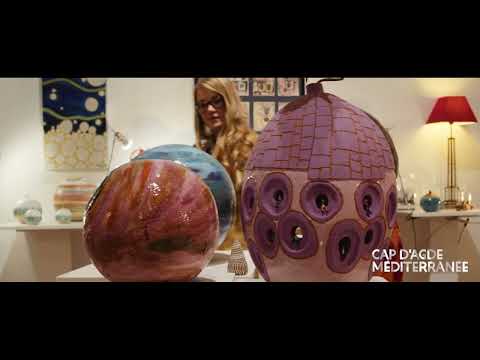
Le Cap d'Agde Méditerranée, France

Autumn and winter colours

Discover the destination with all the gorgeous colours of autumn, it is also a place worth discovering.
Read more
Five Days in Dubai
Dubai, United Arab Emirates

Five Days in Dubai

The sun always shines in Dubai, ensuring endless fun on every holiday. Spend your days lounging at the beach, dining at celebrated restaurants, shopping at al fresco districts and immersing yourself in the city’s cultural best. Our itinerary presents thrills for all ages and settings that inspire.
Read more
Three Days in Dubai
Dubai, United Arab Emirates

Three Days in Dubai

Whether you’re new to Dubai or a seasoned expert, our city always has surprises in store. Explore sky-high landmarks, charming waterside spots and cultural gems aplenty. Or go off the beaten track to hike in Hatta’s mountains, camp under the stars and create memories to last a lifetime.
Read more
Perpignan

Perpignan

Located in the deep south of France, Perpignan is the capital of the Pyrénées Orientales. Its geographical and cultural identity is directed naturally toward Spanish Catalonia since it's a border city, looking out onto the Mediterranean coast and the highest mountains of the French Pyrenees at once. Perpignan is a busy place greatly influenced by Mediterranean cultures and benefiting from 2,500 hours of sun per year. No wonder Salvador Dali saw it as the “Centre of the World”.
Read more
Skadarlija Street — the Bohemian Quarter
Belgrade, Serbia

Skadarlija Street — the Bohemian Quarter

Skadarlija, an old bohemian quarter of Belgrade, is alive 24/7. The neighbourhood arose during the 19th century, with a large number of inns (called "kafana"), and since then has been a gathering spot of the most renowned personalities in Belgrade. It is frequently compared to the Montmartre of Paris, both in appearance and atmosphere. In all the inns, a visitor can taste typical Serbian food, drink local wines and listen to live traditional music till the early morning hours. Skadarlija restaurants have hosted many celebrities over the decades, such as Alfred Hitchcock, Jimi Hendrix, Josip Broz Tito, King Juan Carlos I of Spain, chess player Anatoly Karpov and many others. Best known kafanas are Šešir moj (This old hat of mine), Tri šešira (Three Hats), Dva jelena (Two Deer), Zlatni bokal (The Golden Chalice), Ima dana (There will be days) and Dva bela goluba (Two White Doves). The present Skadarlija, a short and curved street, is a remarkable Belgrade tourist attraction. Since 1993, the official opening of the summer season in Skadarlija has been marked by rising a "bohemian flag". The ceremony is always attended by celebrities, including popular and opera singers, actors, and artists.
Read more
Ghent Belfry, world heritage
Ghent, Belgium

Ghent Belfry, world heritage

Look up at the magical city skyline for a moment during your weekend trip in Ghent: you can’t miss it. The Belfry is the middle tower in the famous row of three, between St Bavo’s Cathedral and St Nicholas’ Church. A fiery dragon, the proud symbol and mascot of Ghent, guards the historic heart of the city. The Ghent Belfry symbolises the city’s prosperity and independence. The Cloth Hall, built onto the Belfry, was completed in 1907. The flamboyant Brabant Gothic style of the Cloth Hall is an ode to the industry to which Ghent owes so much. On the corner of the Cloth Hall is an old jailer’s house. The Ghent Belfry, a recognised UNESCO World Heritage, is well worth a visit. In 1402, it was the place where city privileges were kept: in a chest, locked up in the Belfry safe. The dragon, which has been up on the tower since 1377, kept an eye on the city as well as being the symbolic guardian of the belfry. The Belfry also proudly carried the alarm bell, the ‘Great Triumphant’. Today you will find this bell, nicknamed ‘Roland’ by the people of Ghent, not far from the Belfort on Emile Braunplein. Until 1442, St Nicholas’ Church was the main watchtower. In 1442, the watchmen in the tower moved across to the newly completed Belfry. Along with the bell ringers, these watchmen, or the corps of ‘men who guard the city’, served until 1869. Fire was a particular danger in Ghent. The Belfry tower is an absolute must-see! Climb the stairs, listen to the chiming sound of the carillon and enjoy the view of the vibrant city of Ghent. There is a lift from the first floor. The stunning view over Ghent is bound to enchant you. However, the Belfry is not accessible to visitors with reduced mobility. The Mammelokker, a legend behind bars In 1741, a building was erected between the Belfry and the Cloth Hall, which served as the entrance to the city jail. You will see a relief sculpture above the entrance. The sculpture tells an old Roman legend of a man, Cimon, who was sentenced to death by starvation. He survived his sentence because his daughter visited every day and breastfed him. ‘Mamme’ means ‘breast’ and ‘lokken’ means ‘suck’ in an old Ghent dialect.
Read more