Explore a world of possibilities.

Puerto Plata

Puerto Plata

In his first trip to the stupendous region, Christopher Columbus noted the silver-tipped appearance of the area’s prominent mountain. As “plata” is Spanish for “silver”, Columbus christened it “Monte de Plata”, and the city became known as Puerto de Plata. Luring vacationers much as it had Columbus, Puerto Plata is one of the Dominican Republic’s most renowned cities. Lending to a bright culture of friendly people and recreational activities, Puerto Plata will exceed even your wildest and greatest of expectations.
Read more
Grand Mound, Washington

Grand Mound, Washington

Washington’s mountains rise from the ground like the mighty, mythical gods of lore. Stretching upwards with little regard for the communities of people peppered around them, such grand indifference captures our imaginations and awe. We strive to scale and conquer them, to master their trails and hills, and their magnificence allows us to transcend who we are in some magical way. Grand Mound, Washington places you within reach of the state’s majestic mountains, and thus its main attractions.
Read more
Autumn and winter colours
Le Cap d'Agde Méditerranée, France

Autumn and winter colours

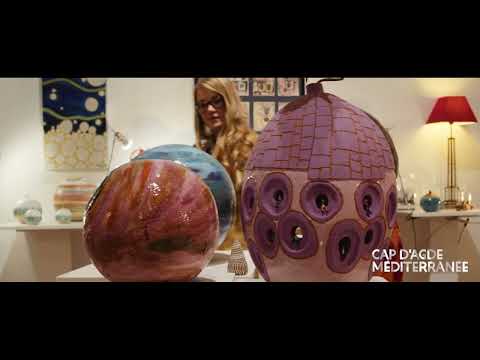
Discover the destination with all the gorgeous colours of autumn, it is also a place worth discovering.
Read more
Five Days in Dubai
Dubai, United Arab Emirates

Five Days in Dubai

The sun always shines in Dubai, ensuring endless fun on every holiday. Spend your days lounging at the beach, dining at celebrated restaurants, shopping at al fresco districts and immersing yourself in the city’s cultural best. Our itinerary presents thrills for all ages and settings that inspire.
Read more
Three Days in Dubai
Dubai, United Arab Emirates

Three Days in Dubai

Whether you’re new to Dubai or a seasoned expert, our city always has surprises in store. Explore sky-high landmarks, charming waterside spots and cultural gems aplenty. Or go off the beaten track to hike in Hatta’s mountains, camp under the stars and create memories to last a lifetime.
Read more
Bratislava

Bratislava

With fewer than half a million people, the 'little big city' of Bratislava ranks among Europe's most relaxed capitals since everything is in close vicinity or a short walk away. Vienna (80km) and Budapest (200km) — are also reachable by boat through the river Danube. Slovakia's capital boasts an old-town charm, sophisticated restaurants, traditional pubs, good music ranging from jazz to opera, and an urban design that allows you to enjoy your visit without exhausting yourself. All this with Central Europe's greatest river as a backdrop.
Read more
Scuba Diving
Christmas Island, Australia

Scuba Diving

Christmas Island’s narrow reef supports bountiful marine life, including 88 coral species and more than 600 species of fish. It’s an underwater wonderland for divers, with clear warm waters, coral reefs and spectacular wall dives. Soft corals, feather stars and gorgonian corals grow along vast walls which plunge into a seemingly bottomless abyss. The fish community is distinctive because the island is a meeting place for Indian and Pacific Ocean fish species. It’s one of the few locations in the world where you’ll see Indian and Pacific Ocean fish swimming side by side. Some of these species interbreed to produce hybrids. Christmas Island has more hybrid fish than anywhere else in the world, making it a marine hybridisation zone of international significance. In addition to the hundreds of species of tropical fish, dolphins inhabit the island’s waters and whale sharks regularly visit during the wet season. Whale sharks generally first appear when the red crabs are spawning at the start of the wet season — they converge to supplement their plankton diet with crab larvae. Locations like Flying Fish Cove, Ethel Beach, Dolly Beach, West White Beach and Winifred Beach offer scuba divers and snorkellers a rewarding marine experience. At Flying Fish Cove and Ethel Beach shore diving is possible depending on the time of the year. There is excellent fishing, with sailfish, tuna and wahoo among some of the fish to be caught. You’ll find boat ramps at Flying Fish Cove and Ethel Beach.
Read more
Red Crab Migration
Christmas Island, Australia

Red Crab Migration

Tens of millions of red land crabs live on Christmas Island. They are the Island's keystone species, because they play a vital role recycling nutrients and shaping and maintaining the structure of the rainforest. At the beginning of the wet season (usually in October/November), most adult Red Crabs suddenly begin their spectacular migration from the forest to the coast, to breed and release eggs into the sea. Breeding is usually synchronised island wide. The rains provide moist overcast conditions for crabs to make their long and difficult journey to the sea. The timing of the migration breeding sequence is also linked to the phases of the moon, so that eggs may be released by the female Red Crabs into the sea precisely at the turn of the high tide during the last quarter of the moon. It is thought that this occurs at this time because there is the least difference between high and low tides. The sea level at the base of the cliffs and on the beaches, where the females release their eggs, at this time varies the least for a longer period, and it is therefore safer for the females approaching the water's edge to release their eggs. Sometimes there are earlier and later migrations of smaller numbers of crabs, but all migrations retain this same lunar rhythm. The main migration commences on the plateau and can last up to 18 days. Masses of crabs gather into broad "streams" as they move toward the coast, climbing down high inland cliff faces, and over or around all obstacles in their way, following routes used year after year for both downward and return migrations. Movement peaks in the early morning and late afternoons when it is cooler and there is more shade. If caught in open areas, in unshaded heat, the crabs soon lose vital body moisture and die. The crabs will migrate to the coast, where the males will dig mating burrows and they will mate. After mating, the males will commence their return migration. The females will brood their eggs for 12-13 days before emerging from the burrows to commence spawning. The females will commence their return migration immediately after spawning. The eggs hatch into free swimming larvae immediately after they are dropped into the sea. The larvae grow through several stages in the ocean for over four weeks before emerging from the sea to become tiny crabs.
Read more