Explore a world of possibilities.

New Smyrna Beach, Florida

New Smyrna Beach, Florida

The coastal barrier city of New Smyrna Beach is “Florida’s Secret Pearl” for good reason. Consistently given recognition on numerous “best surf town” lists, New Smyrna Beach was even ranked as "one of the world's top 20 surf towns" by National Geographic Magazine. Water sports remain its most popular feature, with swimming, scuba diving, kite-surfing, and surfing at the forefront. Outdoors enthusiasts have little fear, however: you’ll discover myriad opportunities to fish, sail, motorboat, golf, hike, and more at New Smyrna Beach.
Read more
Paris

Paris

Few cities match the iconic status that Paris holds in the imagination of travellers. In fashion, gastronomy, and the arts, she is queen. As you wander through the different quartiers of the City of Light, her moods shift from gritty to sophisticated, from haute couture to underground. There is always something new to discover here beyond the legendary sights and museums. Paris has a way of getting under your skin, feeling instantly familiar as you lose yourself in her hypnotic streets and linger at her cafés.
Read more
Autumn and winter colours
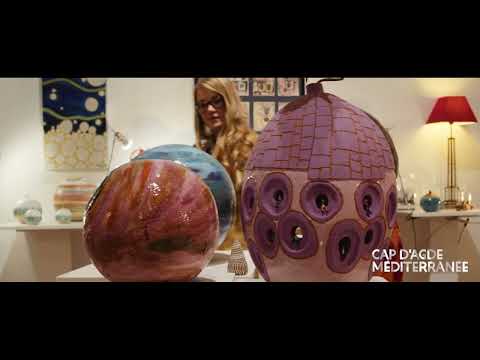
Le Cap d'Agde Méditerranée, France

Autumn and winter colours

Discover the destination with all the gorgeous colours of autumn, it is also a place worth discovering.
Read more
Toulouse

Toulouse

Tinted in pink and lightened up by the Southern sun, Toulouse is a charming and lively city that often gets overlooked by tourists in favour of other French destinations. However, those who do visit will be treated to an enchanting experience. Toulouse boasts a rich history, modern vibrancy, and stunning architecture. The city is also an aerospace hub and takes pride in its strong culinary tradition. Its lush parks provide a peaceful escape while the Garonne River serves as a picturesque background for a delightful night stroll.
Read more
Five Days in Dubai
Dubai, United Arab Emirates

Five Days in Dubai

The sun always shines in Dubai, ensuring endless fun on every holiday. Spend your days lounging at the beach, dining at celebrated restaurants, shopping at al fresco districts and immersing yourself in the city’s cultural best. Our itinerary presents thrills for all ages and settings that inspire.
Read more
Three Days in Dubai
Dubai, United Arab Emirates

Three Days in Dubai

Whether you’re new to Dubai or a seasoned expert, our city always has surprises in store. Explore sky-high landmarks, charming waterside spots and cultural gems aplenty. Or go off the beaten track to hike in Hatta’s mountains, camp under the stars and create memories to last a lifetime.
Read more
Centre Pompidou
Paris, France

Centre Pompidou

The Centre Pompidou stands out with its bold, high-tech design — pipes and escalators on the outside make it hard to miss. Inside, you’ll find Europe’s largest modern art museum, a big public library, and a hub for music and sound research. When it was built, many Parisians hated it for clashing with the classic city vibe, and its construction meant knocking down the famous Les Halles market nearby. Now, it’s a lively spot for art lovers and anyone curious about something a bit different.
Bookable
Read more
Rincón
Bonaire, Caribbean Netherlands

Rincón

Founded in the 16th century by the Spanish, Rincón is the oldest settlement not only of Bonaire but the entire Dutch Caribbean. Its location, in the valley, once provided shelter from pirates. Today, it offers great hiking options with breathtaking views. As a cultural centre, it is home to attractions such as the rock formations of Gruta Lourdes, a pilgrimage site, and the Kas Krioyo, an authentic Bonairean building that currently houses a museum. The island's only distillery, Cadushy, is also located here, and it is worth timing your visit so you can celebrate with the locals on Rincón Day on 30 April.
Read more
Red Crab Migration
Christmas Island, Australia

Red Crab Migration

Tens of millions of red land crabs live on Christmas Island. They are the Island's keystone species, because they play a vital role recycling nutrients and shaping and maintaining the structure of the rainforest. At the beginning of the wet season (usually in October/November), most adult Red Crabs suddenly begin their spectacular migration from the forest to the coast, to breed and release eggs into the sea. Breeding is usually synchronised island wide. The rains provide moist overcast conditions for crabs to make their long and difficult journey to the sea. The timing of the migration breeding sequence is also linked to the phases of the moon, so that eggs may be released by the female Red Crabs into the sea precisely at the turn of the high tide during the last quarter of the moon. It is thought that this occurs at this time because there is the least difference between high and low tides. The sea level at the base of the cliffs and on the beaches, where the females release their eggs, at this time varies the least for a longer period, and it is therefore safer for the females approaching the water's edge to release their eggs. Sometimes there are earlier and later migrations of smaller numbers of crabs, but all migrations retain this same lunar rhythm. The main migration commences on the plateau and can last up to 18 days. Masses of crabs gather into broad "streams" as they move toward the coast, climbing down high inland cliff faces, and over or around all obstacles in their way, following routes used year after year for both downward and return migrations. Movement peaks in the early morning and late afternoons when it is cooler and there is more shade. If caught in open areas, in unshaded heat, the crabs soon lose vital body moisture and die. The crabs will migrate to the coast, where the males will dig mating burrows and they will mate. After mating, the males will commence their return migration. The females will brood their eggs for 12-13 days before emerging from the burrows to commence spawning. The females will commence their return migration immediately after spawning. The eggs hatch into free swimming larvae immediately after they are dropped into the sea. The larvae grow through several stages in the ocean for over four weeks before emerging from the sea to become tiny crabs.
Read more