Explore a world of possibilities.

Bordeaux

Bordeaux

Celebrating wine, gastronomy, arts and culture, Bordeaux is a city that represents the very essence of the French spirit. Its heartbeat hums in cobblestone streets, sunlit quays, and the hum of cafés alive with conversation. Here, centuries-old châteaux meet avant-garde galleries, while the Garonne flows steadily under graceful bridges. Bordeaux invites you to savour life slowly—sip, wander, and lose yourself in layers of flavour, history, and quiet elegance that linger long after you leave.
Read more
Autumn and winter colours
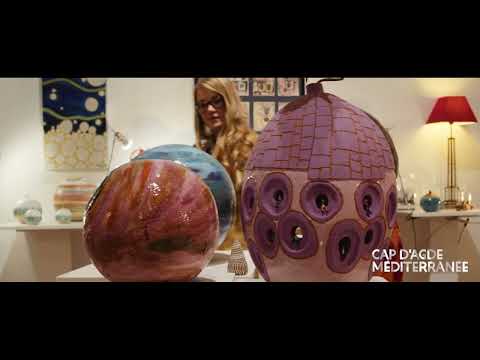
Le Cap d'Agde Méditerranée, France

Autumn and winter colours

Discover the destination with all the gorgeous colours of autumn, it is also a place worth discovering.
Read more
Five Days in Dubai
Dubai, United Arab Emirates

Five Days in Dubai

The sun always shines in Dubai, ensuring endless fun on every holiday. Spend your days lounging at the beach, dining at celebrated restaurants, shopping at al fresco districts and immersing yourself in the city’s cultural best. Our itinerary presents thrills for all ages and settings that inspire.
Read more
Three Days in Dubai
Dubai, United Arab Emirates

Three Days in Dubai

Whether you’re new to Dubai or a seasoned expert, our city always has surprises in store. Explore sky-high landmarks, charming waterside spots and cultural gems aplenty. Or go off the beaten track to hike in Hatta’s mountains, camp under the stars and create memories to last a lifetime.
Read more
St. Mary's Church of Our Lady of Mercy
Vodice, Croatia

St. Mary's Church of Our Lady of Mercy

St. Mary's Church of Our Lady of Mercy is located on the small island of Prvić and is dedicated to the Merciful Mother. It is known when the works of the monastery started (1461), but it's still unclear when they finished. The monastery was reconstructed many times and completely renovated after the big fire in 1884. If you're planning to pay a visit to the church, know that the island can be reached by ferry from Vodice or from Šibenik.
Read more
Dolly Beach
Christmas Island, Australia

Dolly Beach

If you could draw an almost perfect Robinson Crusoe style beach, Dolly would definitely be a contender. Natural food supplies, shelter, and a source of fresh water would keep most castaways happy, and this beach has been known to do just that. As you arrive, especially if you are the first person of the day, you may be drawn to the turtle tracks in the sand. You can follow them until you find the signs of a nest. Both hawksbill and green turtles have been spotted. At the northern end of the beach, the hills are marked by fantastic rock formations with plenty of resident seabirds. More interesting, though, are the sea-level rock pools. Waves crash over the golden-toned, stony reef edges, which doesn't discourage marine life. Red algae and small hard corals paint different colours across the surfaces, while small fish dart about between the pools. Tiny moray eels hunt in ankle-deep water, and if you stay still they will swim up to you. The opposing end of the beach has slightly deeper pools to explore. Depending on the tides, these allow safe, shallow swimming. Going over the rocks to the sea isn't advised, as currents can be strong.
Read more
Red Crab Migration
Christmas Island, Australia

Red Crab Migration

Tens of millions of red land crabs live on Christmas Island. They are the Island's keystone species, because they play a vital role recycling nutrients and shaping and maintaining the structure of the rainforest. At the beginning of the wet season (usually in October/November), most adult Red Crabs suddenly begin their spectacular migration from the forest to the coast, to breed and release eggs into the sea. Breeding is usually synchronised island wide. The rains provide moist overcast conditions for crabs to make their long and difficult journey to the sea. The timing of the migration breeding sequence is also linked to the phases of the moon, so that eggs may be released by the female Red Crabs into the sea precisely at the turn of the high tide during the last quarter of the moon. It is thought that this occurs at this time because there is the least difference between high and low tides. The sea level at the base of the cliffs and on the beaches, where the females release their eggs, at this time varies the least for a longer period, and it is therefore safer for the females approaching the water's edge to release their eggs. Sometimes there are earlier and later migrations of smaller numbers of crabs, but all migrations retain this same lunar rhythm. The main migration commences on the plateau and can last up to 18 days. Masses of crabs gather into broad "streams" as they move toward the coast, climbing down high inland cliff faces, and over or around all obstacles in their way, following routes used year after year for both downward and return migrations. Movement peaks in the early morning and late afternoons when it is cooler and there is more shade. If caught in open areas, in unshaded heat, the crabs soon lose vital body moisture and die. The crabs will migrate to the coast, where the males will dig mating burrows and they will mate. After mating, the males will commence their return migration. The females will brood their eggs for 12-13 days before emerging from the burrows to commence spawning. The females will commence their return migration immediately after spawning. The eggs hatch into free swimming larvae immediately after they are dropped into the sea. The larvae grow through several stages in the ocean for over four weeks before emerging from the sea to become tiny crabs.
Read more