

Provided by:
Mauritius Martin/Shutterstock.com
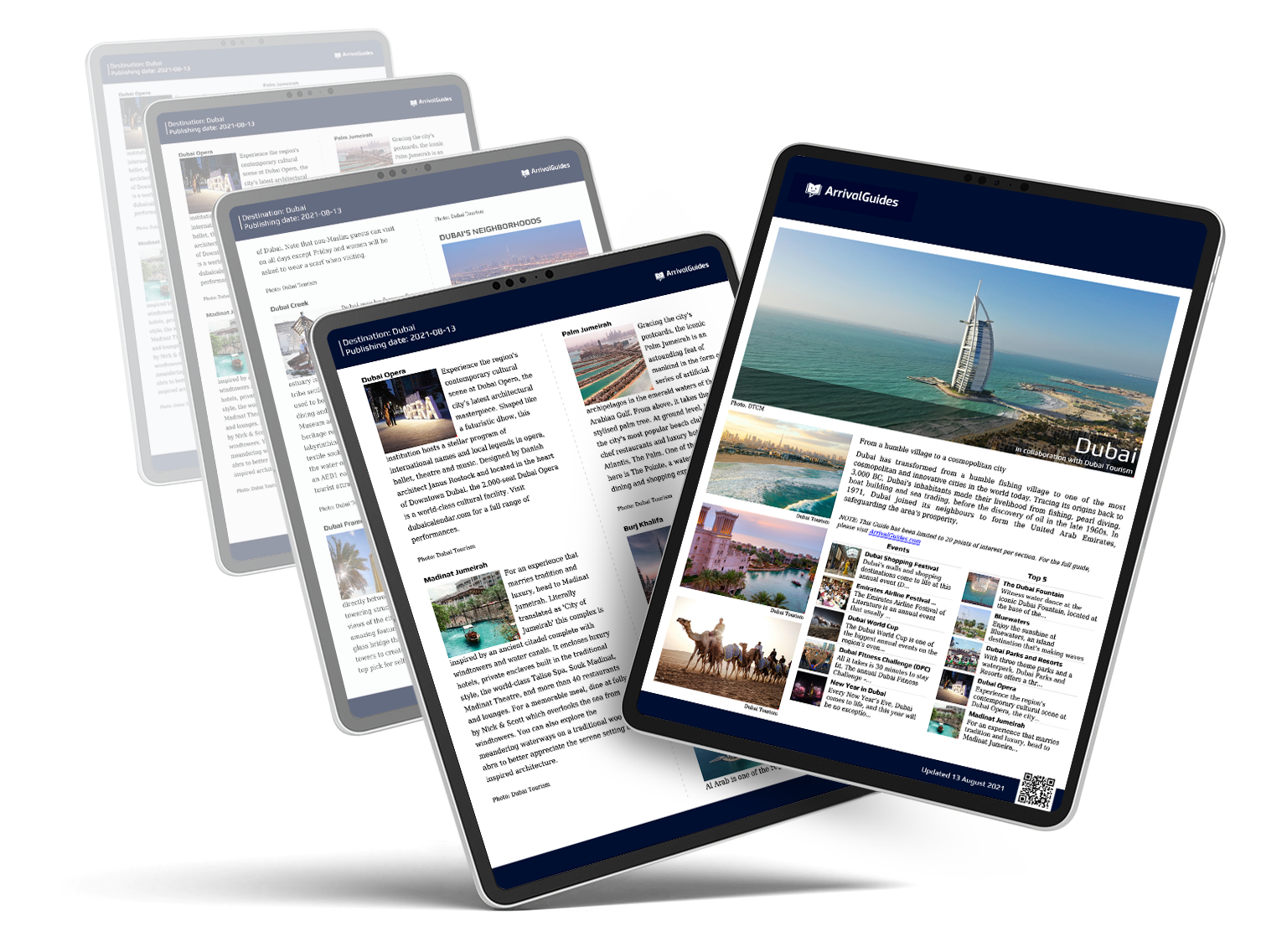
Our travel guides are free to read and explore online. If you want to get your own copy, the full travel guide for this destination is available to you offline* to bring along anywhere or print for your trip.
*this will be downloaded as a PDF.Price
€4,95
The City
The guide was updated:
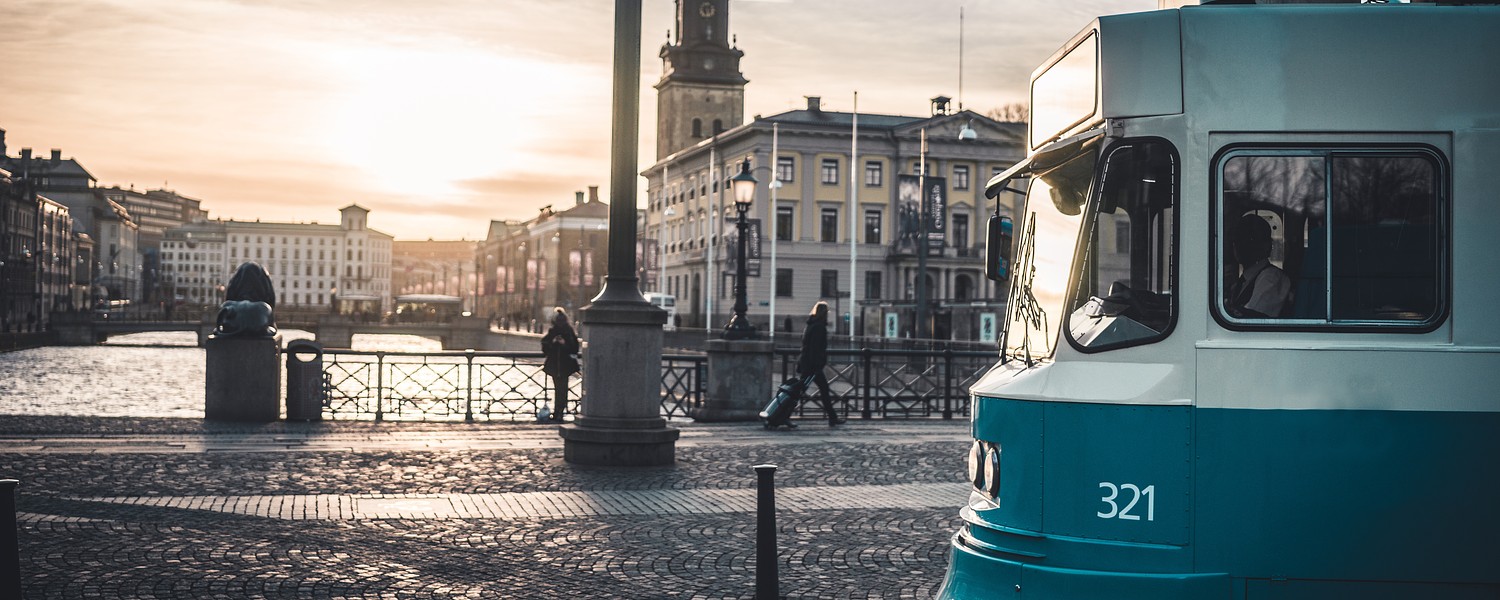
Even though Gothenburg is the second-largest city in Sweden, it still breathes small-town charm and a friendly, laid-back atmosphere. The sea and nature are just around the corner, and you can reach the idyllic archipelago in no time. At the same time, the city offers everything you could possibly expect from a modern destination, and most major tourist attractions are within walking distance.
A stroll around the compact city centre will take you to shopping malls, arcades, and small independent shops featuring local Gothenburg brands in fashion and interior design.
The city has become a top spot for foodies and is famous for its first-class seafood. Here, you can enjoy everything from food trucks to classic neighbourhood eateries to Michelin-starred fine dining establishments.
Gothenburg also boasts exciting museums, a good mix of shopping, family-friendly activities, historical sites, as well as a vibrant nightlife.
A stroll around the compact city centre will take you to shopping malls, arcades, and small independent shops featuring local Gothenburg brands in fashion and interior design.
The city has become a top spot for foodies and is famous for its first-class seafood. Here, you can enjoy everything from food trucks to classic neighbourhood eateries to Michelin-starred fine dining establishments.
Gothenburg also boasts exciting museums, a good mix of shopping, family-friendly activities, historical sites, as well as a vibrant nightlife.